The Tale of Two Cities by Charles Dickens is a classic novel that takes place during the French Revolution. The book is divided into three parts, with Book 2 focusing on the years leading up to the revolution. This section of the novel is filled with intrigue, suspense, and complex characters. As readers delve into the second book, they may have questions about the plot, characters, and themes. In this article, we will explore some of the most frequently asked questions about Tale of Two Cities Book 2 and provide answers to help readers navigate through this captivating story.
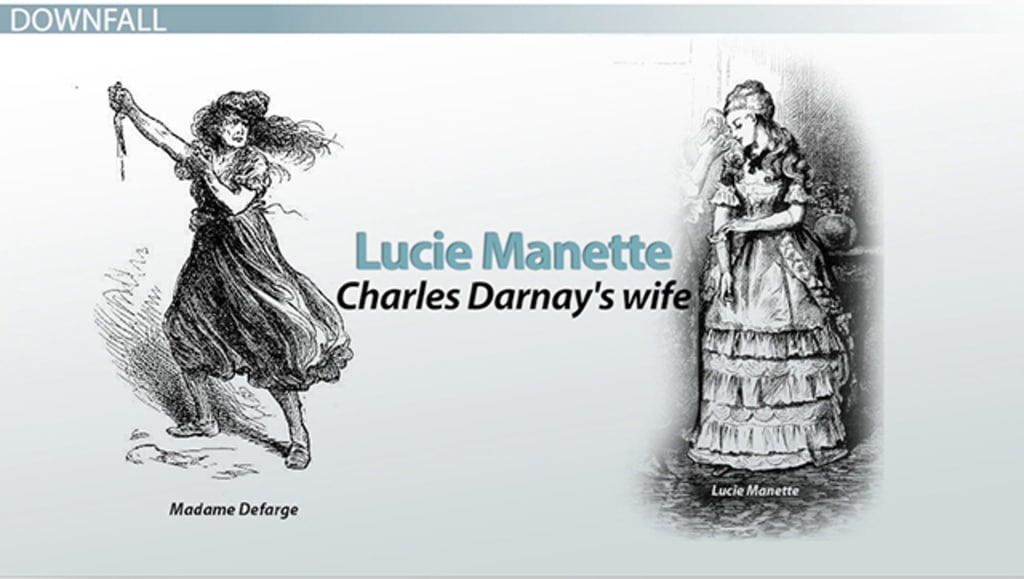
Book 2 of Tale of Two Cities serves as a bridge between the calm before the storm and the chaos that ensues. It introduces new characters, such as Lucie Manette’s father, Dr. Alexandre Manette, and the sinister Madame Defarge. It also explores the relationships between the characters and sets the stage for the revolution that is about to unfold. With its intricate plot and rich symbolism, readers may find themselves pondering various aspects of the story. Let’s dive into some of the most common questions readers have about Book 2 of Tale of Two Cities.
1. How does Charles Darnay’s trial contribute to the overall theme of injustice in the novel?
2. What role does Madame Defarge play in the unfolding revolution?
3. How does Lucie Manette’s love for Charles Darnay affect the plot?
4. What is the significance of the “shadow” that Sydney Carton sees in the wine shop?
5. How does the character of Jerry Cruncher add humor to the story?
6. What does the golden thread symbolize in the novel?
7. How does the theme of sacrifice develop throughout Book 2?
8. Why is Charles Darnay’s resemblance to Sydney Carton important to the plot?
9. What motivates Madame Defarge’s desire for revenge?
10. How does Dickens use foreshadowing in Book 2?
See these tale of two cities book 2 questions and answers
- 11. What is the significance of the title “A Tale of Two Cities”?
- 12. How does the setting of Paris contribute to the overall mood of the story?
- 13. What is the role of the Marquis Evrémonde in the novel?
- 14. How does Sydney Carton’s character evolve throughout the book?
- 15. What is the purpose of the wine shop scene in Book 2?
- 16. How does the theme of resurrection tie into the plot?
- 17. What is the significance of the Defarges’ knitting in the novel?
- 18. How does Charles Darnay’s secret affect his relationship with Lucie?
- 19. Why does Charles Darnay decide to return to France?
- 20. How does the character of Jerry Cruncher symbolize the lower class?
- 21. What is the role of the patriots in the revolution?
- 22. How does the death of Madame Defarge impact the ending?
- 23. What is the significance of the final line, “It is a far, far better thing that I do, than I have ever done”?
- 24. How does Dickens explore the theme of redemption in Book 2?
- 25. What is the purpose of the character Miss Pross in the story?
- 26. How does the theme of fate play out in the novel?
- 27. What is the role of the Jacques in the revolution?
- 28. How does Sydney Carton’s sacrifice impact the other characters?
- 29. Why does Charles Darnay’s marriage to Lucie cause tension with Dr. Manette?
- 30. How does Dickens use symbolism in the novel?
- 31. What is the significance of the storming of the Bastille in the story?
- 32. How does the character of Ernest Defarge contribute to the plot?
- 33. How does Lucie Manette’s love for her father affect the outcome of the story?
- 34. What is the role of Monsieur Gabelle in the novel?
- 35. How does the theme of revenge drive the actions of Madame Defarge?
- 36. Why does Charles Darnay decide to reveal his true identity?
- 37. What is the significance of the character John Barsad?
- 38. How does the theme of social injustice resonate throughout the book?
- 39. What is the role of the Vengeance in the revolution?
- 40. How does the theme of love and sacrifice intertwine in the story?
These questions and answers provide a starting point for readers to delve deeper into the intricacies of Tale of Two Cities Book 2. Whether you are studying the novel for academic purposes or simply seeking a better understanding of the story, exploring these questions and their answers will enhance your reading experience and provide valuable insights into Charles Dickens’ masterpiece.