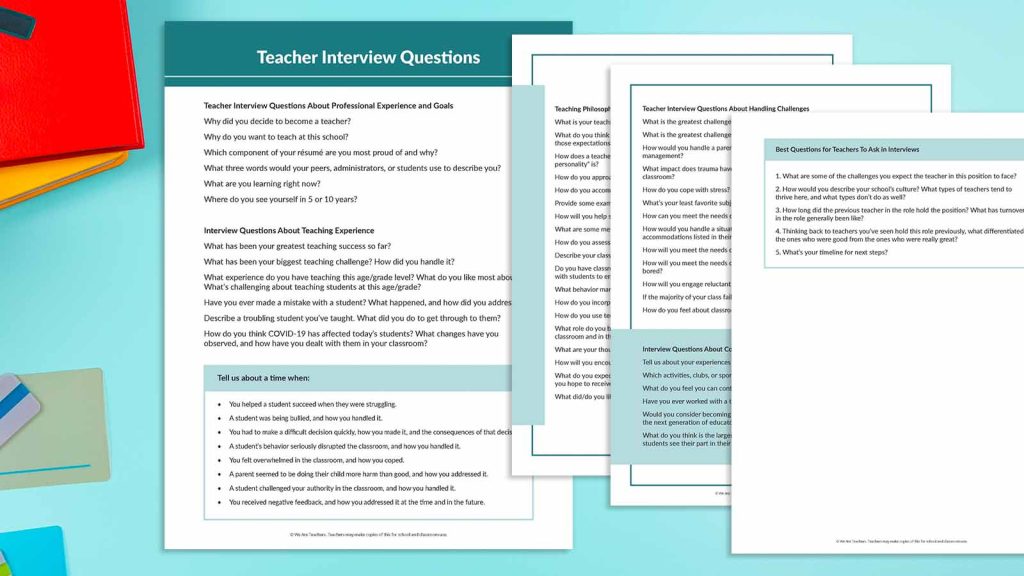
Preparing for a teacher interview can be a nerve-wracking experience, especially if you’re not sure what to expect. To help you feel more confident and prepared, we have compiled a list of commonly asked teacher interview questions in the UK. By familiarizing yourself with these questions and practicing your answers, you can increase your chances of impressing the interviewers and landing your dream teaching job.
During a teacher interview, recruiters are not only interested in your qualifications and experience but also your teaching philosophy, classroom management skills, and ability to handle various situations. They want to ensure that you are a well-rounded candidate who can effectively engage and educate students. By addressing these questions, you can demonstrate your teaching expertise and showcase your passion for education.
Remember, it’s crucial to tailor your responses to the specific school and position you are applying for. Research the school’s values, curriculum, and mission statement to align your answers accordingly. Additionally, don’t forget to back up your responses with concrete examples from your teaching experience.
See these Teacher Interview Questions UK
- 1. How do you create a positive and inclusive classroom environment?
- 2. How do you differentiate instruction to meet the needs of diverse learners?
- 3. How do you handle classroom behavior management?
- 4. How do you assess students’ progress and evaluate their learning?
- 5. Can you provide an example of a successful lesson you have taught?
- 6. How do you incorporate technology into your teaching?
- 7. How do you handle conflicts with colleagues or parents?
- 8. How do you engage students who are disinterested or unmotivated?
- 9. How do you support students with special educational needs?
- 10. How do you promote a love for learning in your classroom?
- 11. How do you establish effective communication with parents?
- 12. How do you handle a disruptive student?
- 13. How do you plan and organize your lessons?
- 14. How do you ensure your teaching is inclusive and culturally responsive?
- 15. How do you adapt your teaching for students with different learning styles?
- 16. How do you handle stress and maintain a work-life balance?
- 17. How do you stay updated with current educational practices?
- 18. How do you collaborate with other teachers?
- 19. How do you integrate literacy and numeracy into your lessons?
- 20. How do you promote critical thinking and problem-solving skills?
- 21. How do you handle a student who is chronically absent or late?
- 22. How do you support students’ social-emotional development?
- 23. How do you handle a student who is struggling academically?
- 24. How do you create a safe and inclusive learning environment for LGBTQ+ students?
- 25. How do you address cultural and socioeconomic differences in your classroom?
- 26. How do you incorporate student voice and choice into your lessons?
- 27. How do you handle a parent who is unhappy with their child’s grades?
- 28. How do you encourage parental involvement in their child’s education?
- 29. How do you handle a student who is being bullied?
- 30. How do you promote teamwork and collaboration among students?
- 31. How do you handle conflicts between students?
- 32. How do you provide constructive feedback to students?
- 33. How do you handle a student with challenging behavior?
- 34. How do you create engaging and interactive lessons?
- 35. How do you incorporate cultural diversity into your curriculum?
- 36. How do you support students’ mental health and well-being?
- 37. How do you handle a student who is being disruptive during a lesson?
- 38. How do you build positive relationships with your students?
- 39. How do you encourage independent learning?
- 40. How do you assess students’ prior knowledge before starting a new unit?
These teacher interview questions in the UK are just a starting point. It’s essential to think critically about your own teaching philosophy, experiences, and strengths to provide comprehensive answers that showcase your suitability for the role. Good luck with your teacher interviews!