
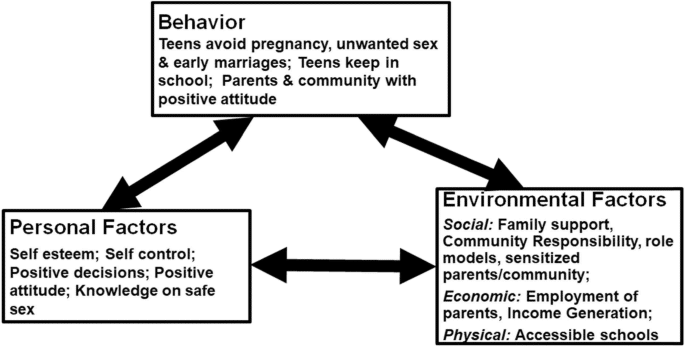
Teenage pregnancy continues to be a significant issue worldwide, with numerous social, economic, and health implications. As researchers work towards finding effective solutions to address this problem, it is crucial to ask the right research questions. By exploring various aspects of teenage pregnancy, we can gain a better understanding of its causes, consequences, and possible interventions. This article aims to highlight some important research questions that can guide future investigations in this field.
Understanding the factors that contribute to teenage pregnancy is vital for prevention efforts. Some research questions related to this area include:
1. What are the socio-economic factors that influence teenage pregnancy rates?
2. How does the level of education impact the likelihood of teenage pregnancy?
3. What role does peer influence play in teenage pregnancy?
4. How does access to comprehensive sex education affect teenage pregnancy rates?
5. What are the cultural and ethnic differences in teenage pregnancy rates?
See these teenage pregnancy research questions
- 6. What are the psychological effects of teenage pregnancy on the mother?
- 7. How does teenage pregnancy impact the educational attainment of young mothers?
- 8. What are the long-term health consequences of teenage pregnancy?
- 9. How does the availability of reproductive healthcare services affect teenage pregnancy rates?
- 10. What is the role of family support in preventing teenage pregnancy?
- 11. How does teenage pregnancy affect the father’s involvement in the child’s life?
- 12. What are the financial implications of teenage pregnancy on young families?
- 13. How does teenage pregnancy contribute to the cycle of poverty?
- 14. What are the cultural attitudes towards teenage pregnancy and its prevention?
- 15. How does social media influence teenage pregnancy rates?
- 16. What are the underlying causes of teenage pregnancy?
- 17. How does substance abuse contribute to teenage pregnancy?
- 18. What are the effects of teenage pregnancy on mental health?
- 19. How does teenage pregnancy impact the social development of young mothers?
- 20. What are the best strategies for preventing teenage pregnancy?
- 21. How does teenage pregnancy affect employment opportunities for young mothers?
- 22. What role does parental communication about sex play in reducing teenage pregnancy rates?
- 23. How does the media portray teenage pregnancy, and what influence does it have on adolescents?
- 24. What are the differences in teenage pregnancy rates between urban and rural areas?
- 25. How does teenage pregnancy affect the overall well-being of young mothers?
- 26. What are the reproductive health knowledge gaps among teenagers?
- 27. How does teenage pregnancy impact the child’s development?
- 28. What are the legal implications of teenage pregnancy?
- 29. How does teenage pregnancy affect the relationship dynamics between young couples?
- 30. What are the barriers to accessing contraception among teenagers?
- 31. How does teenage pregnancy impact the school dropout rates?
- 32. What are the effects of teenage pregnancy on future fertility?
- 33. How does teenage pregnancy affect the physical health of young mothers?
- 34. What are the attitudes of healthcare professionals towards teenage pregnancy?
- 35. How does teenage pregnancy impact the child’s educational outcomes?
- 36. What are the social support networks available for pregnant teenagers?
- 37. How does teenage pregnancy affect the mental health of young fathers?
- 38. What are the best practices for teenage pregnancy prevention programs?
- 39. How does teenage pregnancy impact the overall healthcare system?
- 40. What are the differences in teenage pregnancy rates between developed and developing countries?
These research questions provide a starting point for exploring the multifaceted issue of teenage pregnancy. By conducting thorough investigations into these topics, researchers can contribute to the development of effective strategies and interventions to reduce teenage pregnancy rates and improve the well-being of young individuals.






