
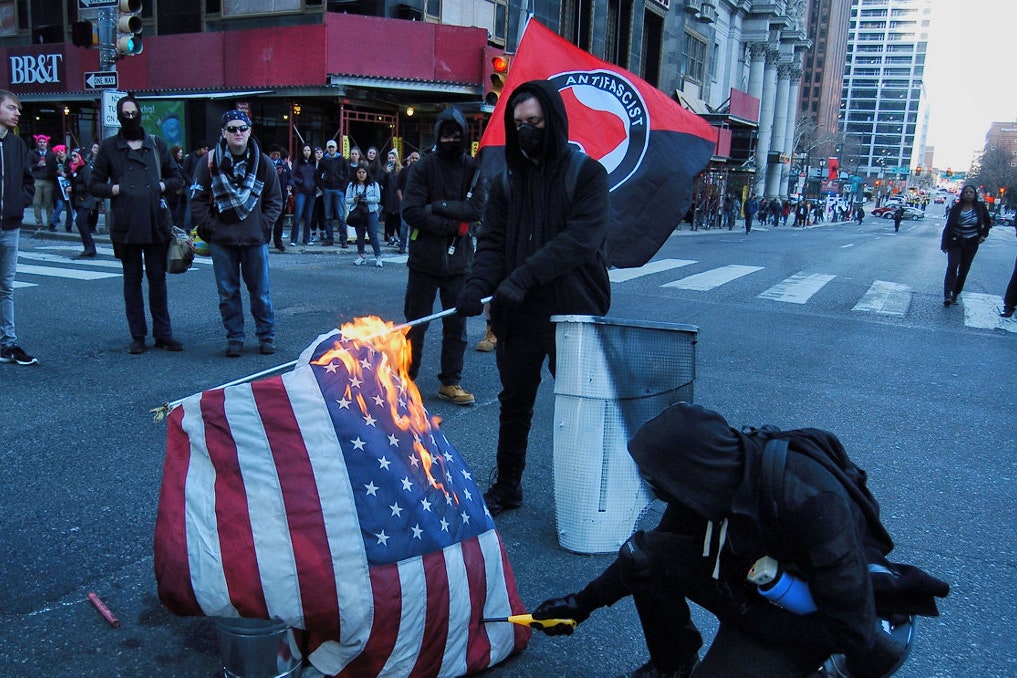
The landmark Supreme Court case of Texas v Johnson, decided in 1989, has had a significant impact on the interpretation of the First Amendment of the United States Constitution. This case specifically dealt with the issue of flag burning as a form of political protest and raised several important legal questions. In this article, we will explore some of the most commonly asked questions about the Texas v Johnson case and provide answers to help you better understand its implications.
1. What was the Texas v Johnson case about?
In the Texas v Johnson case, Gregory Lee Johnson burned an American flag during the 1984 Republican National Convention in Dallas, Texas, as a form of protest against the policies of then-President Ronald Reagan. He was charged with violating a Texas law that prohibited desecration of the flag.
2. What was the Supreme Court’s ruling in the Texas v Johnson case?
The Supreme Court ruled in a 5-4 decision that Johnson’s act of flag burning was protected under the First Amendment’s guarantee of free speech. They held that the Texas law banning flag desecration was unconstitutional as it violated the right to symbolic speech.
3. What are the implications of the Texas v Johnson case?
The Texas v Johnson case established that flag burning is a form of political speech protected under the First Amendment. This decision reaffirmed the principle that unpopular or offensive speech is still entitled to constitutional protection, even if it offends societal norms or patriotic sentiments.
See these Texas v Johnson Questions and Answers
- 4. Can you be arrested for burning the American flag?
- 5. Is flag burning protected by the First Amendment?
- 6. What other forms of symbolic speech are protected by the First Amendment?
- 7. Are there any limitations to the First Amendment’s protection of free speech?
- 8. Can flag burning be considered a form of hate speech?
- 9. Did the Texas v Johnson case set a precedent for other cases involving freedom of speech?
- 10. Can private organizations or individuals restrict flag burning on their own property?
- 11. How does the Texas v Johnson case impact the legality of flag burning in other countries?
- 12. Are there any proposed amendments to the Constitution to ban flag desecration?
- 13. What was the dissenting opinion in the Texas v Johnson case?
- 14. How has the Texas v Johnson case influenced public opinion on flag burning?
- 15. Can flag burning be considered a form of protected political protest?
- 16. Can flag burning be considered a form of treason?
- 17. Are there any exceptions to the First Amendment’s protection of flag burning?
- 18. Has there been any legislation proposed to overturn the Supreme Court’s ruling in the Texas v Johnson case?
- 19. How does the Texas v Johnson case impact the rights of veterans and military personnel?
- 20. Can flag burning be considered a form of incitement to violence?
- 21. What other countries protect flag burning as a form of free speech?
- 22. Has flag burning become more or less common since the Texas v Johnson case?
- 23. What role did the American Civil Liberties Union (ACLU) play in the Texas v Johnson case?
- 24. Can flag burning be considered a form of protected artistic expression?
- 25. How has the Texas v Johnson case impacted the interpretation of the First Amendment in other areas?
- 26. Can flag burning be considered a form of protest against government policies?
- 27. What was the historical context surrounding the Texas v Johnson case?
- 28. Can flag burning be considered a form of speech that incites imminent lawless action?
- 29. How has the Texas v Johnson case impacted the rights of individuals to express their political beliefs?
- 30. Can private businesses refuse service to individuals who engage in flag burning?
- 31. What legal remedies are available to individuals who are arrested for flag burning?
- 32. Can flag burning be considered a form of protected religious expression?
- 33. How do other countries view the Supreme Court’s ruling in the Texas v Johnson case?
- 34. Can flag burning be considered a form of protected speech in schools?
- 35. What impact has the Texas v Johnson case had on the interpretation of the Fourteenth Amendment?
- 36. Can flag burning be considered a form of protected speech during wartime?
- 37. How has the Texas v Johnson case impacted the rights of political activists?
- 38. Can flag burning be considered a form of protected speech on government property?
- 39. What role did public opinion play in the outcome of the Texas v Johnson case?
- 40. Can flag burning be considered a form of protected speech in the digital age?
These are just a few of the many questions and answers that have emerged from the Texas v Johnson case. The Supreme Court’s ruling in this case continues to shape the interpretation of the First Amendment and the protection of free speech in the United States.






