
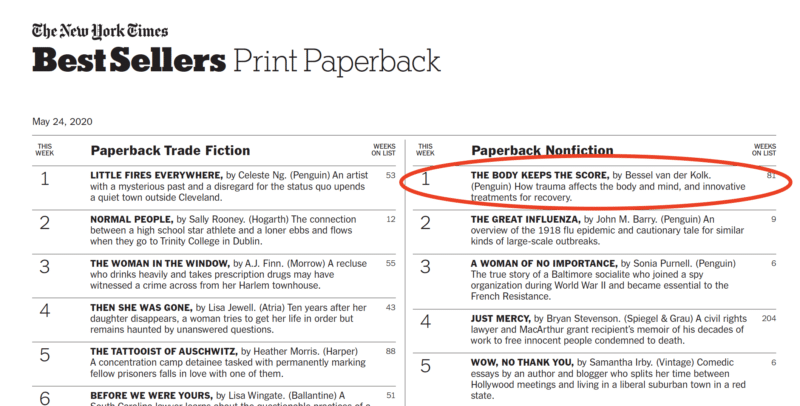
The Body Keeps the Score is a groundbreaking book written by Bessel van der Kolk, a renowned psychiatrist and expert in the field of trauma. This book explores the impact of trauma on the body and mind, and provides valuable insights into the healing process. Whether you’re hosting a book club or simply looking to delve deeper into this powerful book, we have compiled a list of thought-provoking questions to spark discussion and reflection.
In The Body Keeps the Score, van der Kolk shares numerous case studies, scientific research, and personal anecdotes to illustrate the devastating effects of trauma and the transformative power of healing. This book challenges conventional wisdom and offers a fresh perspective on trauma and recovery.
By diving into the questions below, you and your book club members can explore the key themes and ideas presented in The Body Keeps the Score, fostering a deeper understanding of trauma and its impact on individuals and society as a whole.
See these The Body Keeps the Score Book Club Questions
- How does trauma affect the brain and the body?
- What are some of the common symptoms of trauma?
- How does trauma impact an individual’s ability to form and maintain relationships?
- Why is it important to understand and acknowledge trauma?
- What role does society play in perpetuating or healing trauma?
- What are the different types of trauma explored in the book?
- How does childhood trauma shape adult behaviors and beliefs?
- What are some of the therapeutic approaches mentioned in the book?
- How does trauma affect memory and perception?
- What are some of the challenges faced by individuals in seeking help for trauma?
- What are the potential long-term impacts of unaddressed trauma?
- How does trauma affect self-esteem and self-worth?
- What are some of the coping mechanisms individuals may develop in response to trauma?
- What are the similarities and differences between PTSD and other trauma-related disorders?
- How does trauma affect the body’s stress response system?
- What are some of the cultural and societal factors that influence trauma?
- How does trauma affect the way individuals perceive and interpret the world around them?
- What are some of the ways trauma can be processed and healed?
- What are the potential benefits and limitations of medication in treating trauma?
- How does trauma impact an individual’s sense of identity?
- What are some of the ways trauma can be prevented or minimized?
- How does trauma affect an individual’s ability to regulate emotions?
- What are some of the challenges faced by trauma survivors in rebuilding their lives?
- How can trauma-informed care be implemented in various settings?
- What are some of the ethical considerations in working with trauma survivors?
- How does trauma affect an individual’s ability to trust?
- What are the potential risks and benefits of retraumatization in therapy?
- How can trauma impact an individual’s physical health?
- What are some of the societal implications of unaddressed trauma?
- What role does self-care play in the healing process?
- How can trauma impact an individual’s ability to engage in self-reflection and introspection?
- What are some of the ways trauma can be integrated into an individual’s narrative?
- How does trauma affect an individual’s sense of safety and security?
- What are the potential long-term effects of trauma on brain development?
- How does trauma affect an individual’s ability to regulate arousal and relaxation?
- What are some of the challenges faced by individuals in accessing trauma-informed care?
- How does trauma affect an individual’s capacity for empathy and compassion?
- What are some of the potential benefits of group therapy for trauma survivors?
- How does trauma impact an individual’s ability to experience joy and pleasure?
- What are some of the ways trauma can be processed and released from the body?
- How does trauma affect an individual’s sense of time and space?
- What are the potential benefits and limitations of alternative healing modalities for trauma?
- How can trauma impact an individual’s ability to set and maintain boundaries?
- What are some of the ways trauma can be addressed on a societal level?
These book club questions serve as a starting point for deeper conversations about trauma, resilience, and the power of healing explored in The Body Keeps the Score. By engaging in meaningful discussions, we can increase awareness, promote empathy, and work towards creating a more trauma-informed society.






