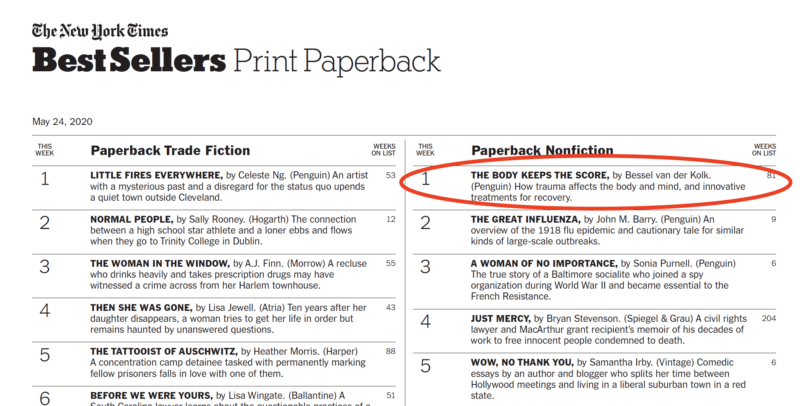
The Body Keeps the Score is a groundbreaking book written by Bessel van der Kolk, a renowned psychiatrist and trauma expert. The book explores the impact of trauma on the human body and offers insights into how individuals can heal from their traumatic experiences. As a powerful resource for understanding trauma, it has sparked numerous discussions and debates among readers. In this article, we will provide a list of discussion questions to delve deeper into the themes and concepts presented in The Body Keeps the Score.
Before diving into the discussion questions, it is important to highlight the significance of this book. The Body Keeps the Score sheds light on the long-lasting effects of trauma on individuals’ mental, emotional, and physical well-being. Van der Kolk emphasizes the importance of acknowledging and addressing trauma to facilitate healing and recovery. By exploring these discussion questions, readers can further explore the concepts and apply them to their own lives or the lives of those they work with.
Now, let’s begin the discussion on The Body Keeps the Score:
See these The Body Keeps the Score Discussion Questions
How does van der Kolk define trauma in The Body Keeps the Score?
What are the different types of trauma discussed in the book?
How does trauma affect the brain and body?
What are some common symptoms experienced by individuals with unresolved trauma?
What is the significance of the title “The Body Keeps the Score”?
What role does memory play in trauma and healing?
What are some effective treatment approaches for trauma?
How does trauma impact relationships and social interactions?
What is the role of mindfulness in trauma recovery?
What are some potential triggers for individuals with trauma?
How does trauma affect children differently than adults?
What are some misconceptions surrounding trauma and its effects?
What are the ethical considerations when working with trauma survivors?
What are some self-care practices that can benefit individuals with trauma?
How can trauma impact one’s sense of identity and self-worth?
What are some cultural considerations when working with diverse trauma survivors?
How does society contribute to the perpetuation of trauma?
What is the connection between trauma and addiction?
How does trauma affect the ability to regulate emotions?
What role does the nervous system play in trauma responses?
How can trauma be passed down through generations?
What are some strategies for building resilience in the face of trauma?
How can trauma affect an individual’s ability to form and maintain healthy relationships?
What are some potential long-term consequences of untreated trauma?
How does trauma impact the ability to trust others?
What are some barriers to seeking treatment for trauma?
How can trauma affect one’s ability to feel safe in their own body?
What is the connection between trauma and dissociation?
How do cultural beliefs and norms influence the perception and treatment of trauma?
What is the role of empathy in trauma healing?
How can trauma affect an individual’s ability to regulate sleep?
What are some potential challenges faced by trauma survivors during the healing process?
How does trauma affect one’s perception of time?
What are some coping strategies that individuals with trauma may utilize?
What is the impact of trauma on the immune system?
How does trauma influence an individual’s sense of control?
What are some signs that indicate a person may be experiencing trauma?
How can trauma affect an individual’s ability to engage in self-care?
What are some potential barriers to trauma recovery?
How does trauma affect the development of self-compassion?
What is the importance of creating a safe and supportive environment for trauma survivors?
How can trauma affect an individual’s ability to concentrate and focus?
What are some potential long-term benefits of trauma therapy?
How does trauma impact an individual’s sense of spirituality?
What are some strategies for managing trauma triggers?
How can trauma affect an individual’s ability to regulate eating habits?
What is the connection between trauma and chronic pain?
How does trauma influence an individual’s ability to cope with stress?