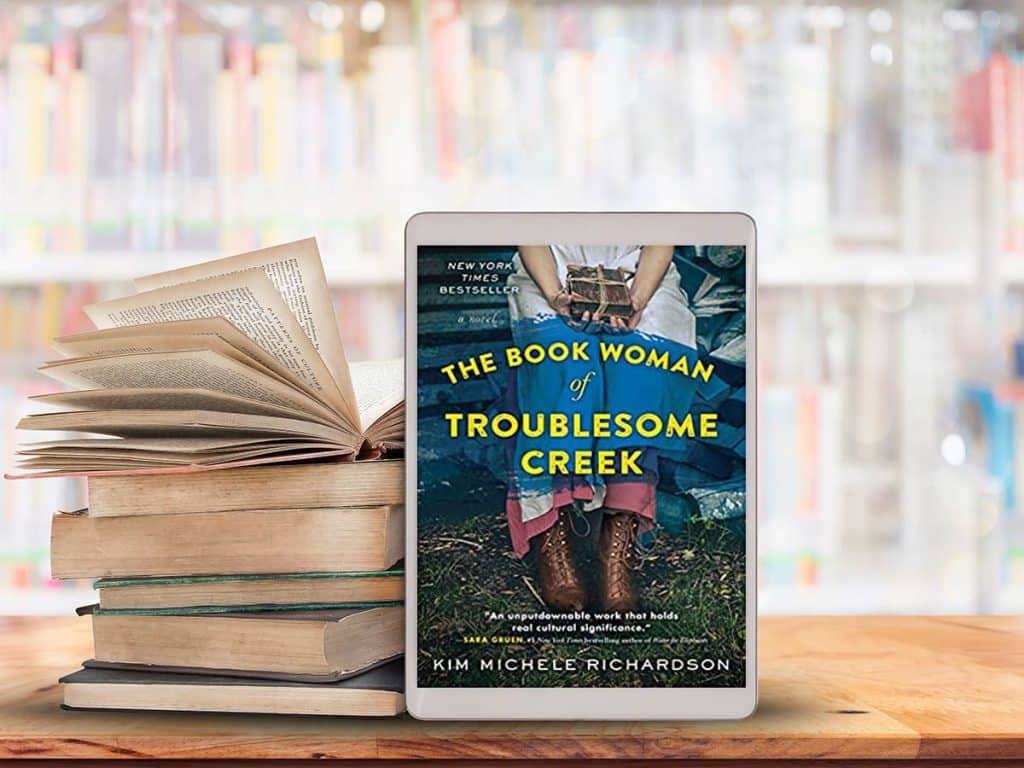
The Book Woman of Troublesome Creek is a captivating novel written by Kim Michele Richardson. Set in the 1930s in Kentucky’s Appalachian Mountains, this book tells the story of Cussy Mary Carter, a young woman who becomes a Pack Horse Librarian, delivering books to the remote and impoverished communities of Troublesome Creek. As readers immerse themselves in this powerful tale, they may find themselves pondering various questions that arise throughout the book.
In this article, we will explore some of the thought-provoking questions that “The Book Woman of Troublesome Creek” raises. From themes of discrimination and identity to the transformative power of books, the novel invites readers to reflect on significant issues that are still relevant today.
Let us dive deeper into the world of Cussy Mary Carter and the challenges she faces as a book woman, while also exploring the broader implications of the story.
See these “The Book Woman of Troublesome Creek” questions:
- How does the discrimination faced by Cussy Mary Carter affect her life and her work as a book woman?
- What role do books play in the lives of the people of Troublesome Creek?
- How does Cussy’s blue skin condition influence her relationships and sense of self?
- What parallels can be drawn between the discrimination faced by Cussy and the experiences of other marginalized communities?
- How does the portrayal of the Pack Horse Library Project shed light on the importance of literacy and education during that time period?
- What impact does the mountain setting have on the story and its characters?
- What are the different forms of prejudice depicted in the novel, and how do they intersect?
- How does the story highlight the power of storytelling and literature in bringing people together?
- What challenges does Cussy face as a woman in a predominantly male-dominated society?
- What is the significance of the blue-skinned people of Kentucky in the narrative?
- How does the author address historical issues of race and gender through the lens of fiction?
- What lessons can be learned from the resilience and determination of Cussy Mary Carter?
- How does the book explore the themes of isolation and community?
- What impact does the introduction of the traveling library have on the people of Troublesome Creek?
- What does the character of Jackson Lovett represent in the story?
- What are the effects of illiteracy on the community, and how does Cussy strive to combat it?
- What sacrifices does Cussy make to fulfill her duty as a book woman?
- How does the novel challenge preconceived notions about beauty and acceptance?
- What is the significance of the recurring themes of love and loss throughout the story?
- How does the author use language and dialect to enhance the authenticity of the characters and setting?
- What impact does the Great Depression have on the events and lives of the characters?
- What insights can be gained about the importance of preserving cultural heritage?
- What parallels can be drawn between the struggles of the characters in the book and those faced by individuals today?
- How does the story explore the concept of family, both biological and chosen?
- What does the ending of the novel suggest about the long-term effects of Cussy’s actions?
These questions provide a starting point for readers to delve into the profound themes and issues presented in “The Book Woman of Troublesome Creek.” As you embark on this literary journey, take the time to reflect on these questions and engage in discussions with others who have also been captivated by this remarkable novel.
Through the story of Cussy Mary Carter and her dedication to bringing books to those who need them most, “The Book Woman of Troublesome Creek” offers a poignant exploration of resilience, love, and the power of literature to bridge divides.