
The Cross and the Lynching Tree Quotes: Examining the Parallelism of Suffering and Redemption
The Cross and the Lynching Tree, a powerful book written by James H. Cone, delves into the connection between the crucifixion of Jesus Christ and the horrific act of lynching that plagued African Americans in the United States. Cone explores the parallelism between suffering and redemption, shedding light on the shared experiences of these two historical events. This thought-provoking work offers readers profound insights into the complexities of racism and the resilience of the human spirit.
In The Cross and the Lynching Tree, Cone unravels the deep-rooted history of racial violence and oppression, drawing explicit parallels between the crucifixion of Jesus and the countless lynchings that occurred throughout American history. Through a series of poignant quotes, Cone challenges readers to reflect on the profound implications of these atrocities. Let us explore some of these thought-provoking quotes that will undoubtedly leave a lasting impact on your understanding of the subject.
Read these The Cross and the Lynching Tree Quotes:
“The cross is a paradoxical religious symbol because it inverts the world’s value system with the news that hope comes by way of defeat, that suffering and death do not have the last word, that the last shall be first and the first last.”
“The cross is a reminder that the world’s ‘normalcy’ is not God’s norm.”
“The lynching tree is a metaphor for America’s crucifixion of black people.”
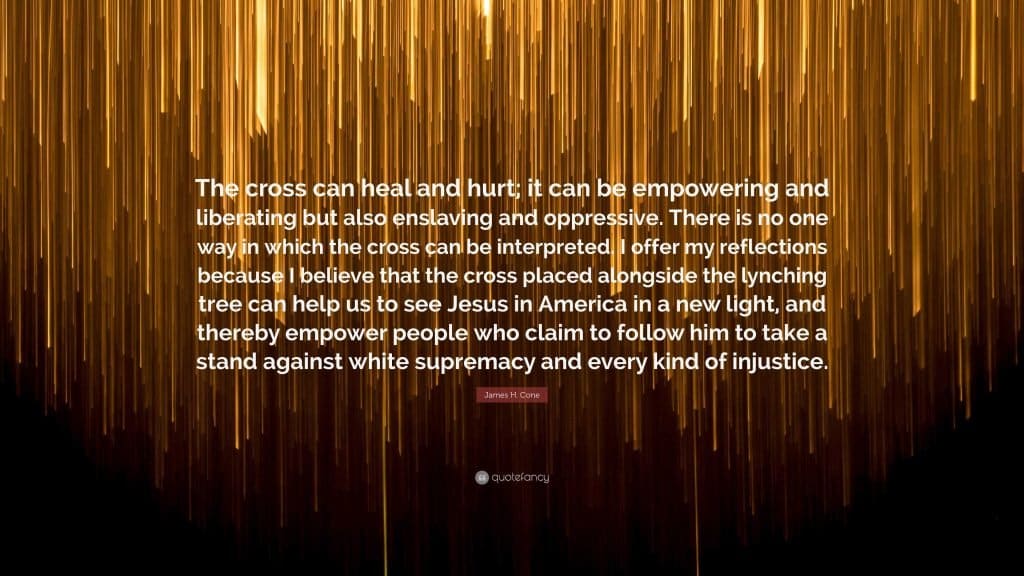
“The cross and the lynching tree interpret each other. One is the universal symbol of Christian faith; the other is the quintessential symbol of black oppression in America.”
“Both the cross and the lynching tree represent the worst in human beings and at the same time a thirst for life that refuses to let the worst determine our final meaning.”
“The crucifixion of Jesus by the Romans in Jerusalem and the lynching of African Americans by whites in the United States are so amazingly similar that one wonders what blocks the American Christian imagination from seeing the connection.”
“To see the cross and the lynching tree together challenges Christians to participate in the redemptive work of God in the midst of scandalous realities of unjust human suffering.”
“The cross places the eternal meaning of Jesus’ crucifixion within the ongoing historical reality of the crucifixion of human beings, especially black people in America.”
“Until we can see the cross and the lynching tree together, until we can identify Christ with a ‘recrucified’ black body hanging from a lynching tree, there can be no genuine understanding of Christian identity in America and no deliverance from the brutal legacy of slavery and white supremacy.”
“The cross and the lynching tree are separated by nearly 2,000 years, but they continue to stand together as reminders of the scandalous suffering inflicted upon the innocent.”
“The lynching tree is a stark reminder of the evil that human beings are capable of when they fail to recognize the humanity in one another.”
“The cross and the lynching tree are symbols of both despair and hope, of death and resurrection, of injustice and redemption.”
“The cross and the lynching tree bring the ‘real’ Jesus and the ‘real’ America face to face.”
“The lynching tree reveals the true nature of America’s soul, haunted by its history of racial violence.”
“The cross and the lynching tree expose the contradiction of a Christian nation that simultaneously oppressed and claimed allegiance to Jesus.”
“The cross and the lynching tree are reminders of the divine solidarity with the victims of racial violence and oppression.”
“The cross and the lynching tree challenge Christians to confront the evil of racism and strive for justice and equality.”
“The crucifixion and the lynching are both symbols of human cruelty. They represent the worst of humanity but also the possibility of redemption and transformation.”
“The cross and the lynching tree invite us to acknowledge the pain and suffering of the marginalized and work towards a more inclusive and just society.”
“The cross and the lynching tree call us to remember the past, confront the present, and work towards a future free from racial violence and discrimination.”
These powerful quotes from The Cross and the Lynching Tree provide a glimpse into the profound parallels drawn by James H. Cone between the crucifixion of Jesus Christ and the lynching of African Americans. By examining these quotes, we can begin to grasp the magnitude of suffering endured by marginalized communities and the imperative to seek redemption and justice. Cone’s work serves as a poignant reminder of the significance of acknowledging historical atrocities and working towards a future rooted in equality, understanding, and compassion.






