The House on Mango Street, written by Sandra Cisneros, is a coming-of-age novel that explores the life of Esperanza, a young Latina girl growing up in a predominantly Hispanic neighborhood in Chicago. Each chapter in the book offers a glimpse into Esperanza’s experiences and the challenges she faces as she navigates her way through adolescence. In this article, we will provide a comprehensive list of chapter questions that will help readers delve deeper into the themes, characters, and events of this iconic novel.
As you read The House on Mango Street, you will encounter various thought-provoking moments that can spark discussions and enhance your understanding of the story. These chapter questions aim to guide your analysis and encourage critical thinking. Whether you are a student studying the novel or a reader interested in exploring the themes of identity, community, and empowerment, these questions will serve as valuable tools to enrich your reading experience.
Now, let’s dive into the world of The House on Mango Street and explore the chapter questions that will help you unravel the layers of this captivating novel.
See these The House on Mango Street Chapter Questions
What is the significance of the title “The House on Mango Street”?
How does Esperanza’s perception of Mango Street change throughout the novel?
What role does language play in Esperanza’s identity?
How does Esperanza’s relationship with her family shape her experiences on Mango Street?
What is the importance of gender in the novel?
How does Esperanza’s friendship with Sally affect her view of herself?
Why does Esperanza desire to leave Mango Street?
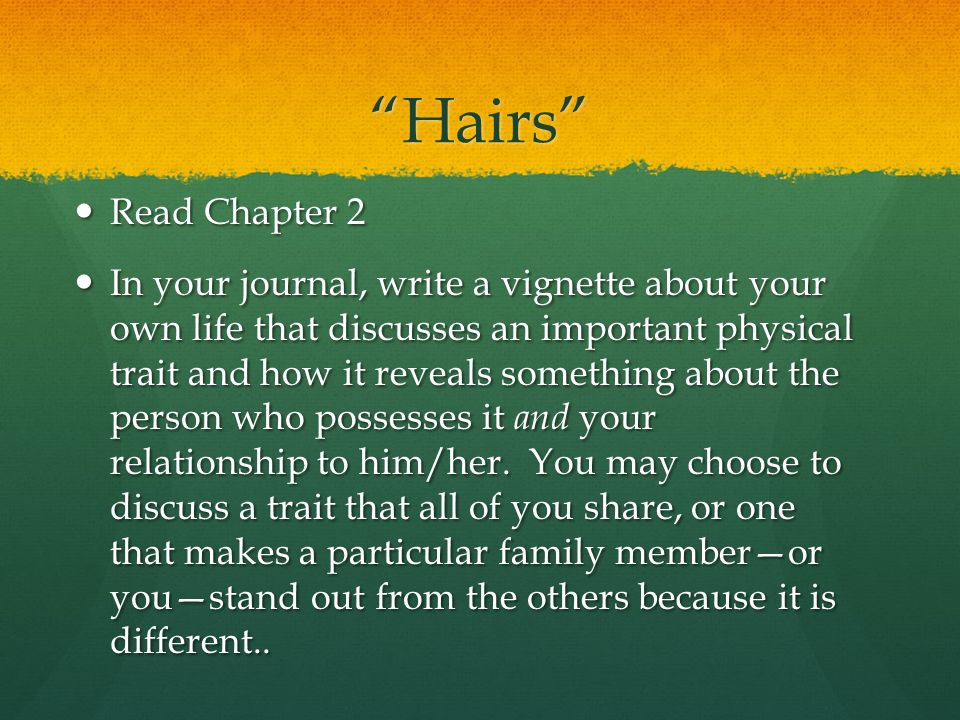
What is the significance of the vignette “Hairs”?
How does Esperanza’s understanding of her community evolve?
What are the defining characteristics of Esperanza’s dream house?
How does the theme of poverty manifest in the novel?
What is the role of religion in Esperanza’s life?
How does Esperanza’s perception of beauty change throughout the novel?
What is the significance of the vignette “The Family of Little Feet”?
How does Esperanza’s experiences with love shape her understanding of relationships?
What is the role of education in Esperanza’s pursuit of a better life?
How does Esperanza’s cultural heritage influence her sense of self?
What is the significance of the vignette “The Three Sisters”?
How does Esperanza’s relationship with her body change as she grows older?
What impact does Esperanza’s neighborhood have on her aspirations and dreams?
How does Esperanza’s understanding of injustice and inequality develop throughout the novel?
What is the significance of the vignette “Alicia Who Sees Mice”?
How does Esperanza’s writing serve as a form of self-expression?
What is the role of storytelling in the novel?
How does the concept of home evolve in the book?
What is the significance of the vignette “Red Clowns”?
How does Esperanza’s perception of her own identity shift as she interacts with different characters?
What is the impact of Esperanza’s cultural background on her experiences with discrimination?
What is the significance of the vignette “The Monkey Garden”?
How does Esperanza’s perspective on her community differ from that of her peers?
What role does independence play in Esperanza’s journey?
How does Esperanza’s understanding of her own power and agency change throughout the novel?
What is the significance of the vignette “Sire”?
How do the experiences of other characters in the novel mirror or contrast with Esperanza’s?
What does Esperanza’s desire for a better life represent?
How does Esperanza’s perception of Mango Street compare to the reality of the neighborhood?
What is the significance of the vignette “Four Skinny Trees”?
How does Esperanza’s relationship with her community shape her identity?
What does the novel say about the power of storytelling and writing?
What is the significance of the vignette “The House on Mango Street”?
How does Esperanza’s coming-of-age journey reflect universal themes of adolescence?
What is the overall message or takeaway from The House on Mango Street?
How does Esperanza’s journey resonate with your own experiences or observations?
What lessons can we learn from Esperanza’s story?
How does The House on Mango Street challenge stereotypes and misconceptions?
These questions provide a starting point for exploration and analysis, allowing readers to engage with the text on a deeper level. By contemplating these chapter questions, you can uncover the profound messages and themes woven throughout The House on Mango Street, ultimately gaining a richer appreciation for Cisneros’ masterful storytelling.