
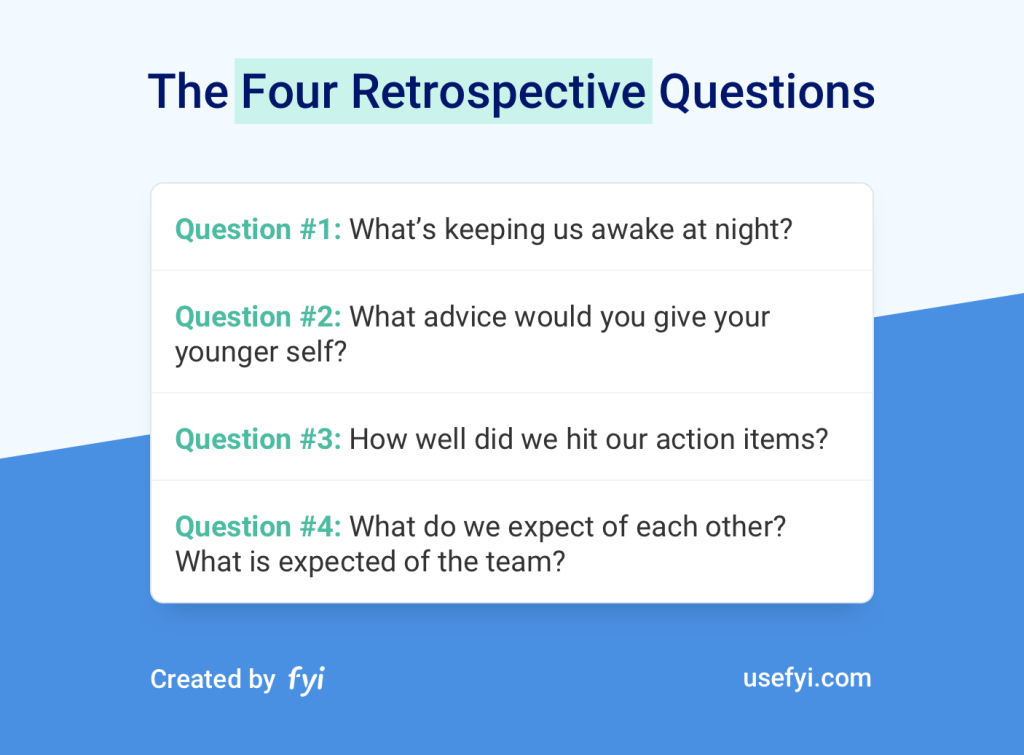
Retrospectives are an essential part of the agile development process. They provide an opportunity for teams to reflect on their work, identify areas of improvement, and celebrate successes. However, to make the most out of retrospectives, it is crucial to ask thoughtful questions that encourage deep reflection and meaningful discussions. In this article, we will explore some powerful retrospective questions that can help your team gain valuable insights and drive continuous improvement.
When conducting a retrospective, it is important to create a safe and open environment where team members feel comfortable sharing their thoughts and experiences. Thoughtful retrospective questions can stimulate meaningful conversations and lead to actionable insights. These questions should encourage team members to reflect on their individual and collective experiences, identify challenges, and brainstorm potential solutions. By asking the right questions, you can uncover valuable information that can drive positive change within your team.
It’s important to note that there is no one-size-fits-all approach when it comes to retrospective questions. Different teams may have different needs and dynamics, so it’s essential to adapt and customize these questions to suit your specific context. The key is to ask open-ended questions that encourage honest and thoughtful responses, fostering a culture of continuous learning and improvement.
See these thoughtful retrospective questions
- What were the major accomplishments of the sprint?
- What challenges did we encounter during the sprint?
- Did we meet our sprint goals? Why or why not?
- What could we have done differently to improve our performance?
- Were there any bottlenecks or obstacles that impeded our progress?
- Did we effectively collaborate and communicate as a team?
- Did we adhere to the agreed-upon agile practices and processes?
- What lessons did we learn from our successes and failures?
- Did we adequately address any conflicts or issues within the team?
- What impact did external factors have on our sprint?
- What improvements can we make to our development process?
- Did we fully utilize our available resources?
- Were there any missed opportunities during the sprint?
- How can we better prioritize our work in future sprints?
- Did we effectively manage our time and meet deadlines?
- How can we improve our product quality?
- Did we receive sufficient feedback from stakeholders?
- What could we do to enhance our team’s morale and motivation?
- Did we effectively address any technical debt?
- How can we improve our testing and quality assurance processes?
- Did we adequately document our work and knowledge?
- What improvements can we make to our user stories and acceptance criteria?
- Did we deliver value to our customers?
- What improvements can we make to our retrospective process?
- Did we effectively track and measure our progress during the sprint?
- What can we do to enhance our team’s overall productivity?
- Did we meet our stakeholders’ expectations?
- How can we improve our sprint planning and estimation?
- Did we effectively address any technical challenges?
- What improvements can we make to our communication channels?
- Did we effectively manage our dependencies and external dependencies?
- How can we better manage our technical and non-technical risks?
- Did we adequately involve all team members in decision-making processes?
- What improvements can we make to our knowledge sharing practices?
- Did we effectively address any scope changes or scope creep?
- How can we improve our team’s collaboration and synergy?
- Did we effectively address any customer concerns or issues?
- What improvements can we make to our retrospective action items?
- Did we adequately capture and address user feedback?
- How can we better align our sprint goals with our overall project objectives?
- Did we effectively manage our team’s workload and capacity?
- What improvements can we make to our sprint review process?
- Did we effectively address any external or internal dependencies?
- How can we better manage our team’s expectations?
- Did we adequately address any impediments or blockers during the sprint?
Remember, the key to a successful retrospective is to ask thoughtful questions that encourage open and honest discussions. By regularly reflecting on your team’s performance and making continuous improvements, you can drive success and achieve your project objectives.






