
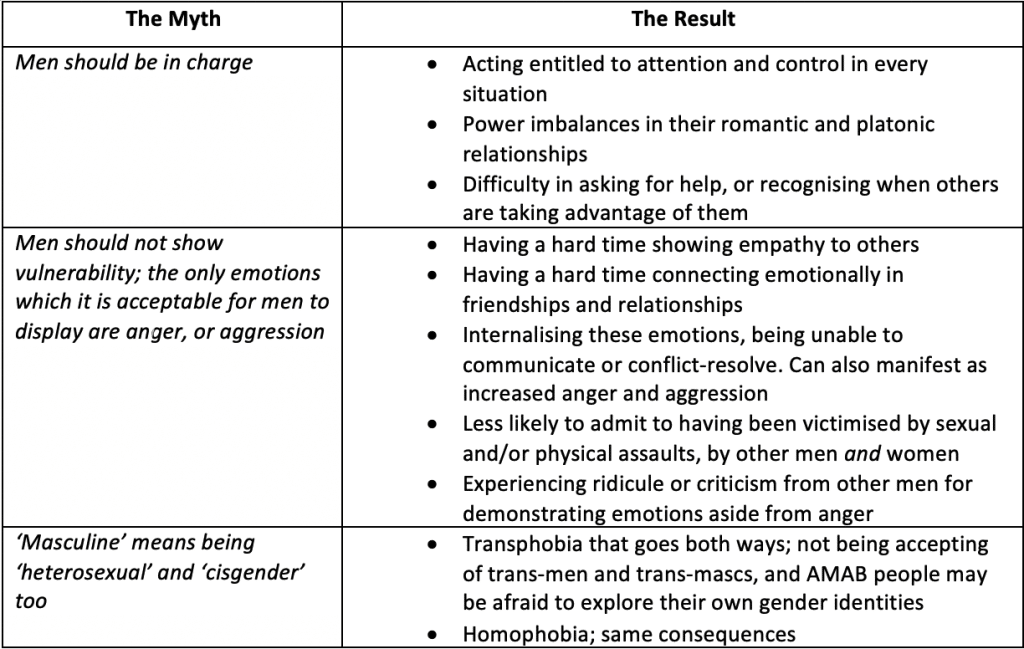
Gender norms and societal expectations have long shaped our perception of masculinity. Traditional notions of what it means to be a “real man” have often placed undue pressure on individuals, perpetuating harmful behaviors and attitudes. This phenomenon, known as toxic masculinity, has garnered significant attention in recent years, sparking important conversations about gender equality and mental health. In this article, we will explore some thought-provoking toxic masculinity questions that shed light on the impact of these social constructs.
It is crucial to acknowledge that toxic masculinity does not imply that all men exhibit toxic behaviors. Rather, it refers to the harmful aspects of masculinity that can manifest in individuals due to societal pressures. By addressing these questions, we aim to encourage self-reflection, promote empathy, and ultimately contribute to a more inclusive and equitable society.
Before diving into the questions, it is essential to approach this topic with an open mind and a willingness to challenge traditional beliefs. Let us explore the complex world of toxic masculinity and its effects on individuals and society at large.
See these toxic masculinity questions
- How does toxic masculinity perpetuate gender inequality?
- What impact does toxic masculinity have on men’s mental health?
- How do societal expectations of masculinity affect boys during their formative years?
- Why is vulnerability often seen as a weakness in men?
- What role does toxic masculinity play in instances of sexual assault and harassment?
- How does toxic masculinity contribute to the gender pay gap?
- Why are men often discouraged from seeking help for their mental health issues?
- What are the consequences of toxic masculinity on male friendships?
- How does toxic masculinity intersect with other forms of oppression, such as racism and homophobia?
- Why do some men feel the need to constantly prove their masculinity?
- How does toxic masculinity impact the LGBTQ+ community?
- What are the effects of toxic masculinity on fatherhood and parenting?
- Why are men often discouraged from expressing their emotions?
- How does toxic masculinity influence body image issues in men?
- What are the consequences of toxic masculinity on men’s relationships?
- Why is there a stereotype that men should be the primary breadwinners?
- How does toxic masculinity affect men’s attitudes towards consent?
- What role does toxic masculinity play in male aggression and violence?
- Why are men often discouraged from pursuing careers in female-dominated fields?
- How does toxic masculinity impact men’s ability to form authentic connections?
- What are the societal expectations placed on men regarding physical appearance?
- Why do some men feel threatened by feminism and gender equality?
- How does toxic masculinity contribute to the objectification of women?
- What impact does toxic masculinity have on male survivors of sexual abuse?
- Why are men often discouraged from participating in activities traditionally associated with femininity?
- How does toxic masculinity influence men’s attitudes towards consent?
- What are the consequences of toxic masculinity on male mental health treatment rates?
- Why do some men feel the need to conform to oppressive gender roles?
- How does toxic masculinity perpetuate the cycle of violence?
- What impact does toxic masculinity have on men’s reproductive health decisions?
- Why are men often mocked or shamed for showing vulnerability?
- How does toxic masculinity affect men’s ability to communicate their emotions?
- What are the consequences of toxic masculinity on men’s self-esteem?
- Why are men often discouraged from pursuing artistic and creative endeavors?
- How does toxic masculinity influence men’s attitudes towards consent?
- What role does toxic masculinity play in workplace discrimination?
- Why do some men feel the need to dominate and control others?
- How does toxic masculinity contribute to the stigma surrounding mental health in men?
- What impact does toxic masculinity have on men’s experiences with fatherhood?
- Why are men often expected to suppress their emotions and be stoic?
- How does toxic masculinity affect men’s ability to seek help for addiction?
- What are the consequences of toxic masculinity on men’s friendships?
- Why do some men feel threatened by gender equality initiatives?
These toxic masculinity questions are just a starting point for deeper conversations about gender roles and societal expectations. By promoting awareness and encouraging critical thinking, we can challenge the harmful aspects of toxic masculinity and work towards a more inclusive and compassionate society for all.






