
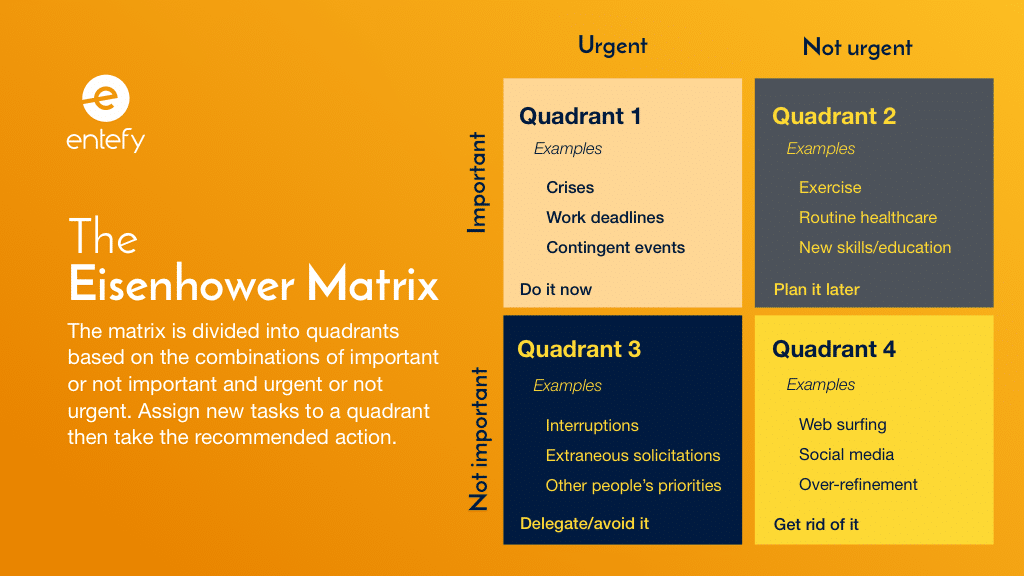
In any organization, decision-making is a crucial aspect that determines the success and growth of the business. However, with the increasing complexity of problems and the need for quick resolutions, it becomes challenging to prioritize tasks efficiently. This is where triage questions come into play. Triage questions are a set of predefined questions designed to assess and prioritize tasks or issues based on their urgency and importance. By asking these questions, organizations can streamline their decision-making process and allocate resources effectively.
When faced with multiple tasks or issues, it is essential to determine which ones require immediate attention and which ones can wait. Triage questions help in making this determination by evaluating the criticality of each task or issue. By asking the right questions, organizations can identify the urgency, impact, and feasibility of resolving a particular problem. This enables them to prioritize tasks accordingly and allocate resources efficiently.
Moreover, triage questions provide a structured approach to decision-making. Rather than relying on subjective judgments, organizations can use a standardized set of questions to evaluate tasks or issues consistently. This eliminates biases and ensures that decisions are made based on objective criteria. Triage questions also act as a guide for decision-makers, helping them navigate through complex situations and arrive at the most appropriate course of action.
See these triage questions
- What is the deadline for this task or issue?
- What is the potential impact of not addressing this task or issue?
- Does this task or issue align with the organization’s strategic goals?
- Is there a potential risk associated with delaying this task or issue?
- What are the consequences of not resolving this task or issue?
- What resources are required to address this task or issue?
- Can this task or issue be delegated to someone else?
- Is there a legal or compliance requirement associated with this task or issue?
- Has this task or issue been escalated by someone else?
- Is there a precedent for addressing similar tasks or issues?
- What is the level of effort required to resolve this task or issue?
- What is the potential benefit of resolving this task or issue?
- What is the urgency of this task or issue?
- Does this task or issue affect multiple departments or stakeholders?
- Is there a financial impact associated with this task or issue?
- Has this task or issue been previously addressed or resolved?
- Are there any dependencies or prerequisites for resolving this task or issue?
- Is this task or issue related to a customer or client request?
- What is the level of complexity associated with this task or issue?
- Can this task or issue be postponed or deferred?
- Is there an alternative solution or workaround for this task or issue?
- Is this task or issue critical for maintaining business operations?
- Does this task or issue have a high visibility or impact on the organization’s reputation?
- Is there a potential opportunity associated with resolving this task or issue?
- What are the potential risks or challenges in addressing this task or issue?
- Is there a budget allocated for resolving this task or issue?
- Is this task or issue part of an ongoing project or initiative?
- What is the level of customer or stakeholder dissatisfaction associated with this task or issue?
- Is there an immediate need or demand for resolving this task or issue?
- Is this task or issue aligned with the organization’s values and principles?
- What is the level of expertise or skill required to resolve this task or issue?
- Does this task or issue have potential legal or reputational consequences?
- Is there a potential impact on employee morale or motivation associated with this task or issue?
- Has this task or issue been previously identified as a priority?
- Is there a resource constraint that needs to be considered for this task or issue?
- Is this task or issue related to a critical business process or function?
- Does this task or issue have regulatory or compliance implications?
- Is there a customer or client agreement or contract associated with this task or issue?
- What is the potential return on investment for resolving this task or issue?
- Does this task or issue require immediate attention to prevent further damage or escalation?
- Is there a potential competitive advantage associated with resolving this task or issue?
- Is this task or issue related to a strategic partnership or alliance?
- What is the level of alignment with the organization’s long-term goals and objectives?
- Is there a potential impact on employee productivity or efficiency associated with this task or issue?
- Does this task or issue require collaboration or coordination with external stakeholders?
- Is there a potential impact on employee health and safety associated with this task or issue?
By using these triage questions, organizations can effectively prioritize tasks and issues, ensuring that resources are allocated to the most critical and impactful areas. This ultimately leads to improved decision-making, streamlined operations, and enhanced organizational performance.






