
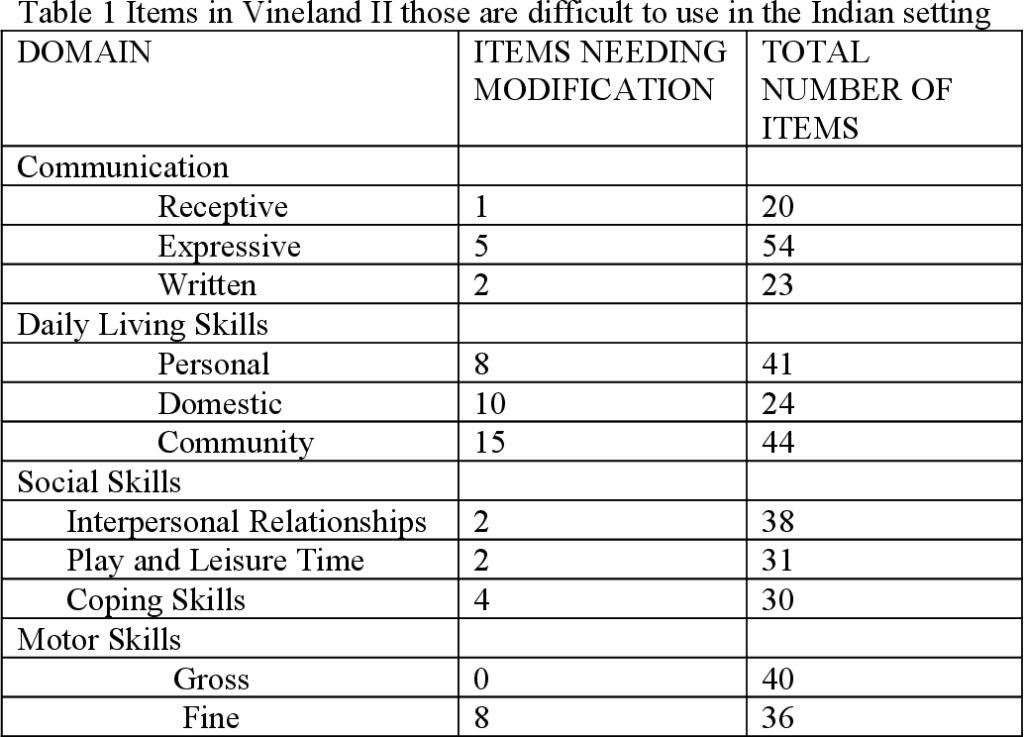
The Vineland Adaptive Behavior Scales (VABS) is a widely used assessment tool that measures adaptive behavior in individuals from birth to adulthood. Developed by Edgar Doll in the 1930s, the VABS provides valuable insights into an individual’s ability to function independently in everyday life. It assesses various domains, including communication, daily living skills, socialization, and motor skills.
When conducting a Vineland assessment, professionals typically use a standardized questionnaire to gather information from caregivers or individuals themselves. These Vineland assessment questions help assessors understand an individual’s strengths and areas of need, providing a comprehensive picture of their adaptive functioning.
In this article, we have compiled a list of Vineland assessment questions that cover different domains. Whether you are a professional conducting a Vineland assessment or a caregiver wanting to assess your loved one’s adaptive behavior, these questions will help you gain a better understanding of their abilities.
See these Vineland assessment questions
- Does the individual use gestures or vocalizations to communicate their needs?
- Can the individual follow simple instructions independently?
- How well can the individual dress and undress independently?
- Does the individual engage in reciprocal conversations?
- Can the individual use public transportation independently?
- Does the individual initiate social interactions with others?
- Can the individual count to ten?
- How well can the individual prepare a simple meal?
- Does the individual participate in age-appropriate play activities?
- Can the individual tie their shoelaces independently?
- Does the individual show empathy towards others?
- Can the individual write their first and last name?
- How well can the individual use a computer or smartphone?
- Does the individual demonstrate appropriate personal hygiene?
- Can the individual balance on one foot for five seconds?
- Does the individual understand and follow safety rules?
- How well can the individual solve simple mathematical problems?
- Does the individual show interest in making friends?
- Can the individual read simple sentences?
- Does the individual manage their finances independently?
- How well can the individual organize their belongings?
- Does the individual demonstrate good table manners?
- Can the individual catch a ball thrown from a short distance?
- Does the individual understand the concept of time?
- How well can the individual plan and organize their day?
- Does the individual demonstrate good sportsmanship?
- Can the individual identify different colors?
- Does the individual take responsibility for their actions?
- How well can the individual navigate in unfamiliar surroundings?
- Does the individual show interest in learning new skills?
- Can the individual tell their address and phone number?
- Does the individual manage their personal belongings independently?
- How well can the individual use public restrooms?
- Does the individual understand and follow social rules?
- Can the individual name common objects?
- Does the individual complete their homework independently?
- How well can the individual express their emotions appropriately?
- Does the individual seek help when needed?
- Can the individual identify different shapes?
- Does the individual demonstrate appropriate behavior in public?
- How well can the individual use public transportation independently?
- Does the individual show interest in participating in group activities?
- Can the individual understand and follow directions?
These Vineland assessment questions are just a sample of the wide range of inquiries that can be asked to assess an individual’s adaptive behaviors. Remember, the Vineland assessment provides valuable insights into an individual’s functioning and helps professionals and caregivers tailor interventions and support according to their specific needs.






