
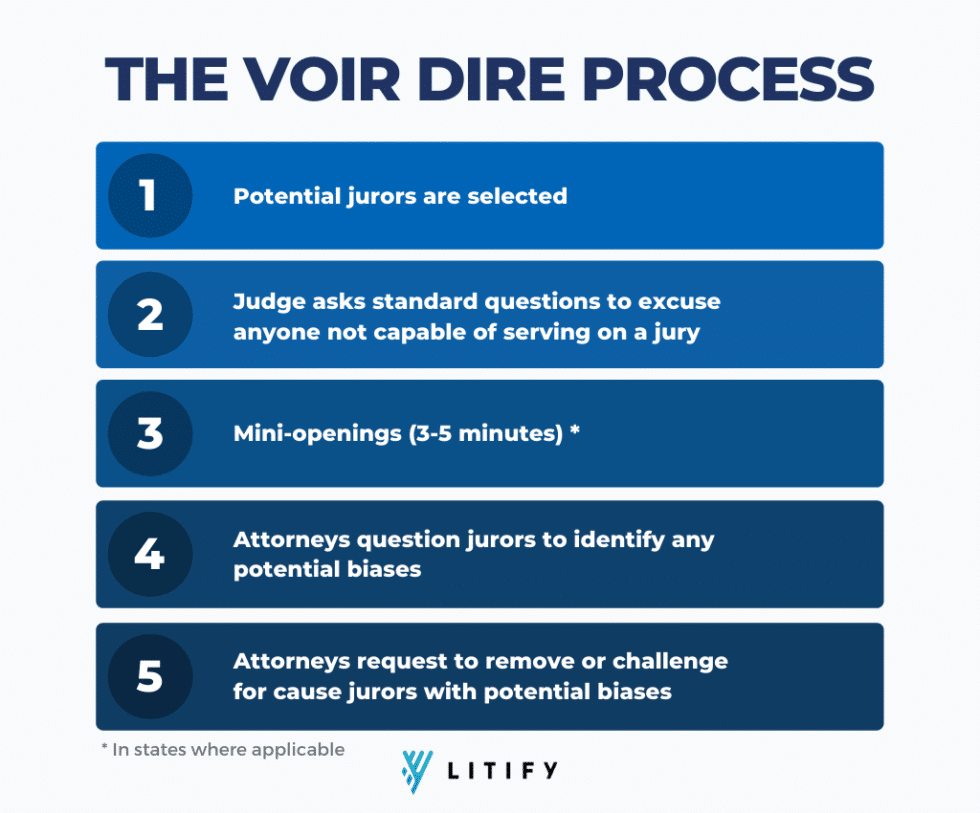
voir dire is a legal term that refers to the process of questioning potential jurors to determine their suitability for a civil trial. These questions play a crucial role in ensuring a fair and impartial jury selection. The voir dire questions asked during a civil trial aim to assess the jurors’ biases, opinions, and any potential conflicts of interest. By asking the right voir dire questions, attorneys can gather valuable information to help them select an unbiased jury.
In a civil trial, voir dire questions are designed to uncover any potential biases or prejudices of the potential jurors. These questions are crucial for attorneys to ensure that the jurors can make fair and impartial decisions based solely on the evidence presented during the trial. Properly conducting voir dire can help attorneys identify potential jurors who may have strong biases or personal connections to the case, allowing them to make informed decisions during the jury selection process.
When conducting voir dire in a civil trial, attorneys must carefully craft their questions to elicit honest responses from potential jurors. These questions should be designed to uncover any potential biases or conflicts of interest that could influence a juror’s decision-making process. By asking open-ended questions and encouraging jurors to express their opinions, attorneys can gain insight into their potential biases and identify any jurors who may be unfit to serve on the jury panel.
See these voir dire questions civil
- 1. Do you have any preconceived notions or biases about the legal system?
- 2. Have you ever been involved in a civil lawsuit before?
- 3. Are you familiar with any of the parties involved in this case?
- 4. Have you ever served on a jury before? If so, what was the outcome?
- 5. Do you have any personal or professional relationship with any of the attorneys involved in this case?
- 6. Have you ever been a victim of a similar incident or experienced a similar situation?
- 7. Are you a member of any organizations or groups that may have a bias or interest in this case?
- 8. Have you formed any opinions about this case based on media coverage?
- 9. Are you able to set aside any personal biases or opinions and make a decision solely based on the evidence presented?
- 10. Do you have any concerns or reservations about serving on a civil jury?
- 11. Are you comfortable making decisions that may have a financial impact on the parties involved in this case?
- 12. Have you ever been a witness in a civil trial?
- 13. Do you have any family members or close friends who work in the legal profession?
- 14. Are you familiar with any of the witnesses who may testify in this case?
- 15. Have you ever been involved in a situation where you had to make a difficult decision?
- 16. Are you able to consider the credibility of a witness independently, regardless of their background or appearance?
- 17. Can you remain impartial and make a decision based solely on the evidence presented in court?
- 18. Are you comfortable with the burden of proof being on the plaintiff?
- 19. Have you ever been a victim of discrimination or bias?
- 20. Can you follow the judge’s instructions and apply the law objectively?
- 21. Are you able to keep an open mind and consider all perspectives before making a decision?
- 22. Do you have any personal beliefs or values that may affect your ability to be impartial?
- 23. Have you ever had a negative experience with the legal system?
- 24. Can you separate your personal feelings from the facts presented during the trial?
- 25. Are you comfortable making decisions based on witness testimony and evidence?
- 26. Do you have any reservations about serving as a juror in a civil trial?
- 27. Can you consider the credibility of expert witnesses without being swayed by their credentials?
- 28. Have you ever had a personal injury or been involved in a similar accident?
- 29. Are you able to give equal weight to the testimony of all witnesses, regardless of their background or occupation?
- 30. Do you have any personal beliefs or values that would prevent you from awarding damages in a civil trial?
- 31. Can you set aside any sympathy or bias and make a decision based solely on the evidence presented?
- 32. Are you comfortable with the concept of contributory negligence in a civil trial?
- 33. Do you have any concerns about the length of the trial or the time commitment required?
- 34. Are you able to consider the potential financial impact of your decision on the parties involved?
- 35. Have you ever had a negative experience with insurance companies or the healthcare system?
- 36. Can you consider the credibility of eyewitness testimony without being influenced by their emotional appeal?
- 37. Do you have any reservations about awarding punitive damages in a civil trial?
- 38. Are you comfortable with the concept of comparative negligence in a civil trial?
- 39. Can you remain impartial and consider the merits of each party’s case without being swayed by their legal representation?
- 40. Have you ever had a personal injury claim denied by an insurance company?
These voir dire questions are just a starting point for attorneys when conducting jury selection in a civil trial. Each case is unique, and the questions may vary depending on the specific circumstances. By asking the right voir dire questions civil, attorneys can ensure a fair and impartial jury, setting the stage for a just trial.






