
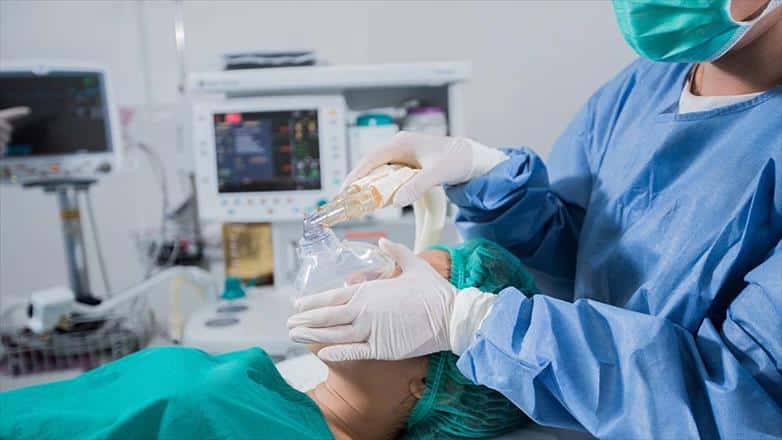
Preparing for surgery can be an overwhelming experience, filled with uncertainties and questions. One crucial aspect of the pre-surgical process is meeting with the anesthesiologist. They play a vital role in ensuring your comfort and safety during the procedure. In order to have a clear understanding of what to expect, it is essential to ask the right questions. This article will provide you with a comprehensive list of questions to ask your anesthesiologist before surgery, helping to alleviate any concerns you might have.
Before delving into the list of questions, it’s important to understand the role of an anesthesiologist. They are specialized doctors trained to administer anesthesia, monitor vital signs, and manage pain before, during, and after surgical procedures. By discussing your medical history and concerns with the anesthesiologist, they can tailor an anesthesia plan specifically for you, minimizing risks and maximizing comfort.
Now, let’s take a look at the questions you should ask your anesthesiologist before surgery:
See these questions for an anesthesiologist before surgery
- What type of anesthesia do you recommend for my surgery?
- What are the potential risks and complications associated with the anesthesia?
- What are the common side effects of the anesthesia?
- Do I need to fast before the surgery? If so, for how long?
- Can I take my regular medications on the day of surgery?
- Should I avoid any specific medications or supplements before the surgery?
- How will my vital signs be monitored during the procedure?
- What are the options for pain management after the surgery?
- Will I be awake or asleep during the surgery?
- Are there any alternative anesthesia options available?
- How long will the effects of the anesthesia last?
- What are the potential long-term effects of the anesthesia?
- Can I eat or drink anything before the surgery?
- What should I do if I develop an allergic reaction to anesthesia?
- How frequently will you check on me during the surgery?
- What is your experience with this type of surgery?
- What can I do to prepare for the anesthesia?
- Will I have a breathing tube during the surgery?
- What is the expected recovery time after the surgery?
- What type of pain relief will be provided post-surgery?
- What should I do if I experience excessive pain after the surgery?
- Can I have a family member or friend present during the anesthesia induction?
- How will you customize the anesthesia plan based on my medical history?
- Do I need any additional tests or evaluations before the surgery?
- What are the potential risks of anesthesia in my specific case?
- How will the anesthesia be administered? Intravenously or through inhalation?
- What steps will be taken to ensure my safety during the surgery?
- What should I do if I have a history of motion sickness or nausea after anesthesia?
- Will I experience any memory loss or confusion after the surgery?
- Can I have a copy of my anesthesia record for my personal records?
- What are the potential complications associated with anesthesia in older adults?
- How long will it take for the anesthesia to wear off completely?
- What are the potential risks of anesthesia in patients with certain medical conditions?
- How will you ensure that I am comfortable during the surgery?
- What should I do if I have difficulty breathing after the surgery?
- Can I resume my regular activities immediately after the surgery?
- What are the potential risks of anesthesia for pregnant women?
- How will you manage my pain if I have a history of substance abuse?
- What are the potential risks of anesthesia for children?
- Can I meet the anesthesiologist who will be present during my surgery in advance?
- What should I do if I develop a fever or infection before the surgery?
- How long will it take for me to regain consciousness after the surgery?
Remember, these questions are just a starting point. Feel free to ask any additional questions or express any concerns you may have. Your anesthesiologist is there to ensure your safety and comfort, so don’t hesitate to communicate openly with them. By doing so, you can have peace of mind knowing that you are well-prepared for your surgery.






