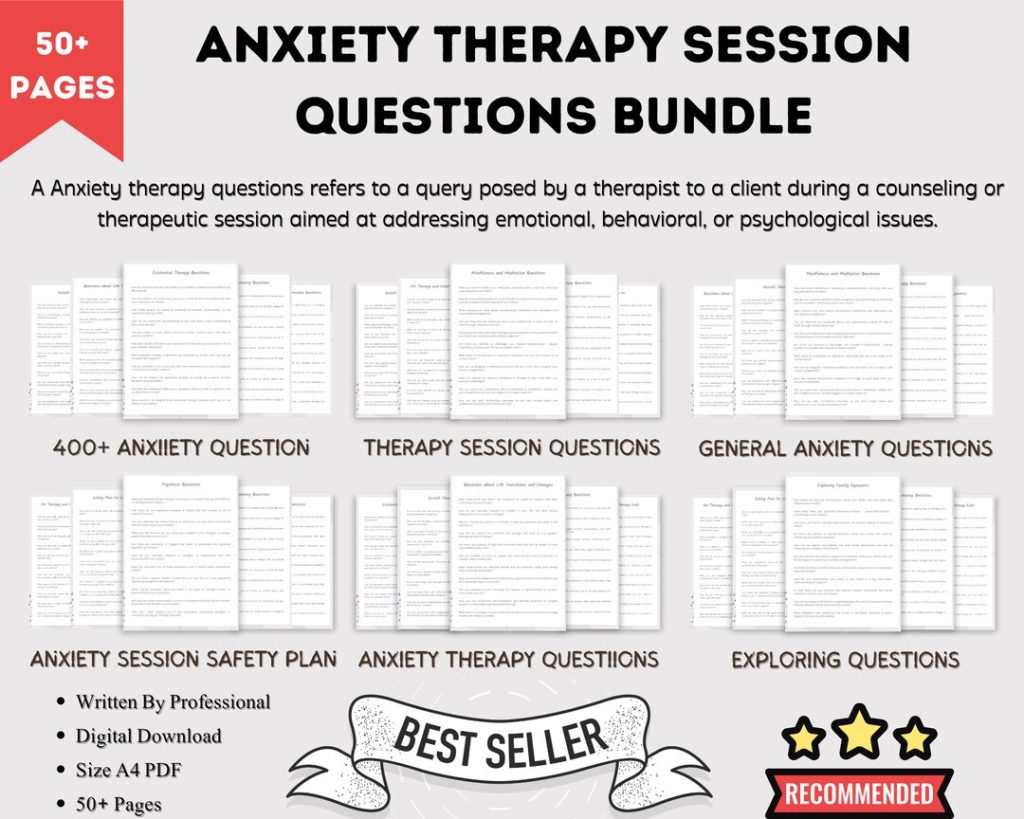
Anxiety is a common mental health issue that affects millions of people worldwide. It can be a debilitating condition that impacts various aspects of life, making it difficult to function normally. If you or someone you know is dealing with anxiety, it’s essential to seek professional help. However, asking yourself certain questions can also provide insights and help you understand your anxiety better. In this article, we will explore some questions for anxiety that may assist you in gaining a deeper understanding of your condition.
See these questions for anxiety
Here is a list of questions that can help you reflect on your anxiety and gain a better understanding of its triggers and effects:
What situations or activities tend to trigger your anxiety?
Do you notice any patterns or recurring thoughts when you experience anxiety?
How does anxiety affect your daily life and overall well-being?
Have you noticed any physical symptoms accompanying your anxiety, such as rapid heartbeat or shortness of breath?
Are there any specific fears or phobias that contribute to your anxiety?
Do you feel more anxious in certain social situations or when interacting with specific individuals?
How does anxiety impact your ability to concentrate or make decisions?
What coping mechanisms or strategies have you tried in the past to manage your anxiety?
Have you noticed any changes in your sleep patterns or appetite due to anxiety?
Do you tend to ruminate or overthink when you experience anxiety?
How has anxiety affected your relationships with friends, family, or romantic partners?
Do you feel anxious about the future or have excessive worries about potential negative events?
Have you ever experienced a panic attack? If so, what triggers them for you?
What are some activities or hobbies that help you relax and reduce your anxiety?
Do you find it challenging to communicate your feelings or emotions when experiencing anxiety?
How does anxiety impact your self-esteem and confidence?
Have you noticed any specific thought patterns or cognitive distortions when you are anxious?
Are there any past traumatic events that may contribute to your anxiety?
Do you find it challenging to trust others or feel a constant need for reassurance?
Have you noticed any negative effects of anxiety on your physical health?
How does anxiety affect your ability to perform at work or school?
Do you struggle with setting boundaries or saying no due to anxiety?
What are your biggest fears or worries when it comes to your anxiety?
Have you considered seeking professional help or therapy for your anxiety?
How does anxiety impact your ability to engage in social activities or attend social gatherings?
Do you have any triggers related to specific places or environments?
What role does stress play in your anxiety?
Do you find it challenging to relax or switch off your mind when you are anxious?
How do you typically respond to a panic attack or intense anxiety episode?
Are there any specific situations or people that make you feel more anxious than others?
What are your primary goals when it comes to managing and reducing your anxiety?
Do you feel comfortable talking about your anxiety with others?
How has anxiety affected your motivation and productivity?
What are some positive experiences or moments when you felt less anxious?
Do you tend to avoid certain situations or activities due to anxiety?
How does anxiety impact your ability to enjoy or engage in leisure activities?
Have you noticed any physical tension or muscle tightness when you are anxious?
Do you experience anxiety-related symptoms more frequently during certain times of the day?
What are your biggest fears or worries about the long-term effects of anxiety?
Have you tried any relaxation or mindfulness techniques to manage your anxiety?
How do you typically interpret or perceive situations when you are anxious?
Do you have a support system or individuals you can turn to when you are feeling anxious?
What are some strategies or techniques that have helped you cope with anxiety in the past?
How do you prioritize self-care and managing your anxiety in your daily routine?
Remember, while these questions can provide valuable insights, they are not intended to replace professional help. If you are struggling with anxiety, it’s crucial to reach out to a healthcare professional or therapist who can guide you through the process of managing and overcoming anxiety.